
Japanese family home decor transcends mere aesthetics; it embodies a philosophy of harmony, minimalism, and deep connection with nature. From the serene tranquility of traditional tatami mats to the modern integration of contemporary design, this guide explores the rich tapestry of Japanese interior design, offering insights into creating a home that resonates with both beauty and functionality.
This exploration delves into the principles of wabi-sabi, the use of natural materials, and the meticulous planning of space to achieve a sense of calm and balance. The role of color, textiles, and lighting in creating a harmonious atmosphere is also examined, along with practical budget-friendly approaches.
Traditional Japanese Aesthetics
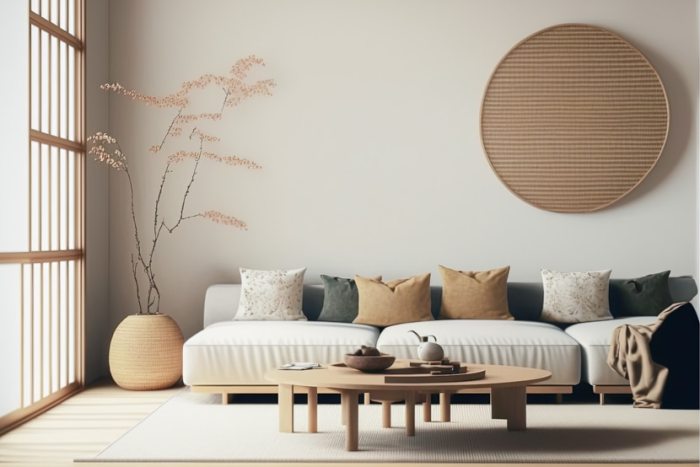
Traditional Japanese aesthetics, deeply rooted in the nation’s history and philosophy, shape not only its art but also its approach to home decor. This emphasis on harmony, simplicity, and respect for nature permeates every aspect of Japanese living spaces, creating a distinct and captivating ambiance. The principles of wabi-sabi, minimalism, and the integration of natural elements are central to understanding Japanese home decor.Japanese aesthetics prioritize a sense of tranquility and connection with the natural world.
This translates into minimalist designs, prioritizing functionality and beauty over excessive ornamentation. The focus is on creating spaces that feel serene and allow for contemplation, rather than being visually overwhelming.
Wabi-Sabi and its Influence
Wabi-sabi, a philosophy encompassing the beauty of imperfection, transience, and asymmetry, profoundly influences Japanese home decor. This aesthetic embraces the natural beauty of weathered wood, subtly imperfect pottery, and the subtle marks of time. Objects are appreciated for their patina and history, reflecting the impermanent nature of existence. Homes often feature items with a slightly worn or aged appearance, reinforcing the philosophy of embracing the beauty in imperfection.
Minimalism in Japanese Homes
Minimalism is another cornerstone of Japanese aesthetics. Clutter is deliberately avoided, creating a sense of spaciousness and serenity. This approach emphasizes functionality and allows for a deeper appreciation of the surrounding environment. The emphasis is on carefully selected pieces that serve a purpose and evoke a sense of calm.
Harmony with Nature
The integration of natural elements is crucial in traditional Japanese homes. Natural materials like wood, bamboo, and stone are frequently incorporated into the design, fostering a sense of connection with the outdoors. Open spaces and the use of shoji screens further blur the lines between indoor and outdoor environments. The incorporation of plants and natural light is common, creating a harmonious atmosphere.
Traditional Materials and Their Role
Traditional Japanese materials are fundamental to the aesthetic and function of a home.
- Tatami mats: These woven straw mats define the floor space and provide a comfortable and practical surface. They also contribute to the overall sense of calm and simplicity.
- Shoji screens: These translucent paper or wooden screens create a sense of openness and privacy. They filter light, allowing natural beauty to permeate the interior. The subtle play of light and shadow through the screens enhances the space’s ambiance.
- Natural wood: Wood, often in its natural state, is a common material in furniture and structural elements. Its warmth and connection to nature are key elements in the aesthetic.
Color Palettes and Symbolism
Color palettes in traditional Japanese homes are often subdued and earthy. Neutral tones like beige, gray, and brown are frequently used, evoking a sense of calm and grounding. The use of natural colors, such as the deep browns and greens of nature, contributes to the serene atmosphere. Certain colors may hold symbolic meaning, such as the deep reds of cherry blossoms, representing beauty and transience.
Japanese Furniture and Cultural Significance
Japanese furniture design reflects a focus on functionality and respect for nature.
| Furniture Type | Description | Cultural Significance |
|---|---|---|
| Low tables (e.g., Chabudai) | Low tables used for tea ceremonies and other gatherings, emphasizing a sense of equality and relaxation. | Reflects the importance of community and shared experiences. |
| Floor cushions (e.g., Zabuton) | Comfortable cushions used for seating on the floor, promoting relaxation and a sense of groundedness. | Emphasizes the comfort and practicality of living spaces. |
| Screens (e.g., Shoji) | Translucent screens that divide spaces, allowing natural light and offering privacy. | Balances indoor and outdoor spaces and respects the surrounding environment. |
| Traditional Cabinets (e.g., Tansu) | Functional storage cabinets, often featuring intricate joinery and natural finishes. | Emphasizes the importance of practicality and efficient storage. |
Modern Interpretations of Japanese Style
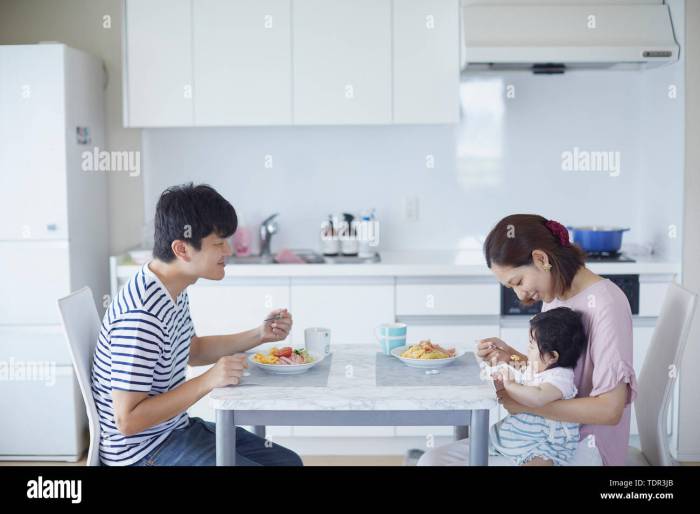
Japanese home decor, deeply rooted in tradition, is experiencing a dynamic evolution. Modern interpretations are emerging, seamlessly integrating contemporary design elements with the enduring principles of Japanese aesthetics. This fusion reflects a desire to maintain the essence of the culture while embracing the latest trends and materials.Modern Japanese design is no longer confined to traditional tatami mats and shoji screens.
It embraces a broader palette of materials, forms, and colors, creating spaces that are both aesthetically pleasing and functionally practical. The emphasis shifts towards creating a harmonious blend of the old and new, a dialogue between heritage and innovation.
Integration of Modern Design Elements
Contemporary design elements, such as clean lines, open layouts, and minimalist aesthetics, are now common in Japanese homes. These elements enhance the sense of spaciousness and functionality without sacrificing the cultural significance of the design. For example, sleek, modern furniture pieces crafted from materials like lacquered wood or polished steel often replace traditional low seating, yet retain the same principles of simplicity and elegance.
The use of natural light and ventilation, key to traditional Japanese design, is further emphasized in modern homes through large windows and strategically placed openings.
Contemporary Materials and Techniques
Modern interpretations often incorporate contemporary materials like glass, steel, and concrete, juxtaposed with traditional materials like wood and bamboo. This contrast creates a striking visual effect, showcasing the interplay between the old and new. Innovative techniques in woodworking, like the use of laminated wood or engineered timber, enable the creation of complex forms while maintaining the warm aesthetic of natural materials.
This modern approach allows for greater flexibility in design, offering a wider range of possibilities while staying true to the core values of Japanese aesthetics.
Comparison of Traditional and Modern Approaches
Traditional Japanese homes prioritize minimalism, natural materials, and a deep connection to nature. The emphasis is on creating serene and peaceful spaces. Modern interpretations maintain these principles, but they often add an element of dynamism and functionality. For example, the use of advanced lighting systems or integrated technology might be incorporated, allowing for a seamless blending of traditional and contemporary elements.
Traditional vs. Modern Japanese Interior Styles
| Characteristic | Traditional | Modern |
|---|---|---|
| Materials | Natural materials like wood, bamboo, paper | Natural materials alongside contemporary materials like glass, steel, concrete |
| Color Palette | Muted, earthy tones | Earthy tones with occasional pops of color |
| Layout | Often compartmentalized, with a focus on spatial separation | Open and flowing layouts, emphasizing a sense of spaciousness |
| Furniture | Low seating, simple forms | Sleek, modern furniture with clean lines |
| Aesthetics | Emphasis on serenity, minimalism, and nature | Emphasis on serenity, minimalism, and nature, with an infusion of modern functionality |
Elements of Space and Functionality
Japanese home design prioritizes harmony with nature and a minimalist aesthetic, contrasting sharply with the expansive, often compartmentalized spaces of Western homes. This emphasis on functionality and space planning creates a unique living environment that prioritizes tranquility and practicality. The careful integration of natural elements and the thoughtful arrangement of furniture contribute to a serene atmosphere.Japanese interior design reflects a deep-seated cultural preference for understated elegance and efficient use of space.
This philosophy extends beyond mere aesthetics, influencing the very structure and layout of a home. The emphasis on natural light, ventilation, and decluttering are not simply design choices but integral components of the holistic approach to living.
Space Planning Differences
Japanese homes often feature open-plan layouts, blurring the lines between rooms and maximizing the sense of spaciousness. Conversely, Western homes tend toward more distinct and compartmentalized spaces. This difference reflects a different cultural understanding of how people interact within a home and the importance of flexible spaces. The Japanese focus on creating multi-functional areas promotes adaptability and efficiency.
Functionality in Japanese Home Design
Functionality is a cornerstone of Japanese design. Built-in storage solutions, often concealed, are common to maximize space and maintain a clutter-free environment. Sliding doors and partitions are frequently used to create flexible and adaptable rooms, changing the layout based on need. This flexibility allows for seamless transitions between spaces and the ability to adapt the environment to various activities.
For example, a dining area might be transformed into a work space or a relaxing lounge area by the simple act of repositioning furniture.
Natural Light and Ventilation
Natural light and ventilation are paramount in Japanese homes. Large windows and strategically placed openings allow for abundant natural light to filter through, creating a bright and airy ambiance. Traditional Japanese homes often incorporate natural ventilation strategies to promote air circulation, ensuring a healthy and comfortable indoor environment. This focus on natural elements reflects the Japanese appreciation for harmony with the surrounding environment.
Decluttering and Minimalism
Minimalism is a key principle in Japanese home design. The emphasis on decluttering goes beyond aesthetics; it’s a fundamental aspect of maintaining peace and tranquility. This minimalist approach, often rooted in Zen Buddhist philosophy, reduces visual and mental clutter, creating a sense of calm and focus. This focus on a less-is-more approach promotes a sense of order and mindfulness in daily life.
Floor Plan Example
| Area | Description | Functionality |
|---|---|---|
| Entryway | A small, welcoming space with a tokonoma (alcove) | Welcoming guests, displaying decorative items, offering a visual connection to nature. |
| Living Area | Open-plan space incorporating a tatami-mat floor | Relaxation, socializing, and entertaining. |
| Kitchen | Open-plan kitchen with built-in storage and counter space | Food preparation and meal enjoyment, maximizing space for family interaction. |
| Dining Area | Integrated with the living space, offering flexibility | Dining, conversation, and family gatherings. |
| Bedrooms | Private spaces with minimal furniture, emphasizing tranquility | Rest and relaxation, creating a peaceful retreat. |
| Bathroom | Functional and aesthetically pleasing, emphasizing natural elements | Hygiene and personal care, creating a serene environment. |
“Japanese homes are not just places to live, but extensions of the surrounding natural environment, designed to foster a sense of harmony and tranquility.”
This example showcases a floor plan that integrates these principles, emphasizing the importance of open spaces, natural light, and thoughtful storage solutions. The plan demonstrates how Japanese design prioritizes functionality and space efficiency while maintaining a deep connection with nature.
Incorporating Nature into the Home
Japanese aesthetics prioritize harmony with nature, and this extends seamlessly into interior design. Bringing natural elements indoors fosters a sense of tranquility and connection to the outdoors, a key component of the Japanese lifestyle. The use of natural light, plants, and carefully curated gardens reflects the profound respect for the natural world.Japanese homes often emphasize the idea of “shibui,” a sense of understated elegance and simplicity, which is beautifully expressed through the incorporation of natural materials and muted color palettes.
This thoughtful approach to design creates a serene and inviting atmosphere, perfect for relaxation and contemplation.
Importance of Natural Elements
Japanese philosophy emphasizes the interconnectedness of humans and nature. Bringing elements of the natural world into the home creates a sense of peace and well-being, drawing inspiration from the natural rhythms of the seasons. This is a core tenet of Japanese design, reflecting the belief that nature’s beauty can enhance the quality of life.
Natural Light and its Role
Natural light plays a crucial role in Japanese homes, often maximizing its impact through large windows and open spaces. Maximizing natural light creates a sense of spaciousness and allows the natural beauty of the surrounding landscape to influence the home’s ambiance. Skylights and strategically placed mirrors can amplify the effect, drawing the outdoors in. This emphasis on natural light fosters a connection with the surrounding environment, contributing to a calming and refreshing interior atmosphere.
Japanese Garden Integration
Incorporating elements of a Japanese garden into a home’s design is a powerful way to introduce nature’s beauty. The principles of Japanese garden design, such as the use of carefully arranged rocks, flowing water features, and meticulously planted shrubs, can be adapted to create miniature oases within the home. A miniature Zen garden, for instance, can be a tranquil focal point in a living room or bedroom, creating a peaceful retreat.
Nature-Inspired Decor
Nature-inspired decor can be seamlessly integrated into a Japanese-style home through the careful selection of materials and textures. Wooden accents, bamboo screens, and natural fiber rugs create a warm and inviting atmosphere, echoing the beauty of nature. Incorporating natural elements into home decor not only adds visual appeal but also enhances the home’s calming and peaceful atmosphere.
Suitable Plants and Flowers
- Bamboo: Known for its graceful stems and calming presence, bamboo adds a touch of serenity and elegance to a Japanese-style home. Different bamboo varieties offer varying heights and aesthetics.
- Ficus Trees: Ficus trees, particularly the fiddle-leaf fig, bring a touch of tropical elegance, while smaller varieties can add a sense of greenery to smaller spaces.
- Lucky Bamboo: Lucky bamboo, with its good luck symbolism in Asian culture, brings a touch of fortune and prosperity to the home, while adding an interesting element to any decor.
- Japanese Maples: Known for their vibrant fall foliage and unique shapes, Japanese maples bring seasonal beauty to the home, while their rich colors provide a dramatic contrast.
- Orchids: Orchids, with their delicate beauty and resilience, are perfect for adding a touch of elegance and sophistication. Their varied colors and forms create a vibrant presence.
| Plant Type | Flower Color | Maintenance Notes |
|---|---|---|
| Lucky Bamboo | Green | Low maintenance, prefers indirect light. |
| Japanese Maple | Red, Orange, Yellow, Green | Prefers partial shade and regular watering. |
| Orchids | Various | Needs bright, indirect light and specific humidity levels. |
| Bamboo | Green | Low maintenance, prefers indirect light. |
| Ficus Trees | Green | Needs bright, indirect light and regular watering. |
Color Palettes and Symbolism
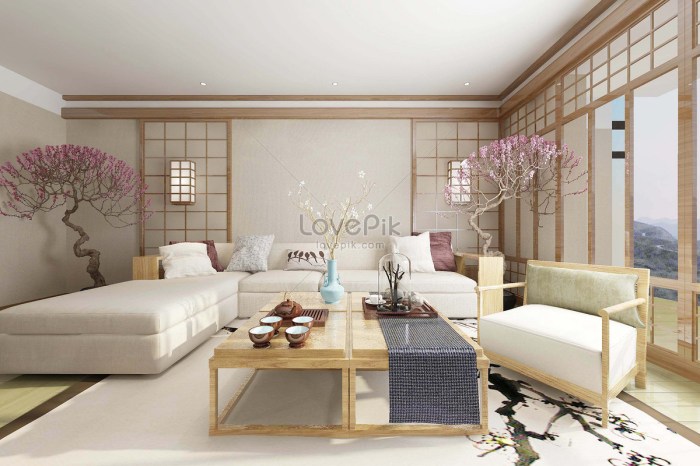
Japanese home decor often prioritizes a serene aesthetic, drawing heavily from nature’s color palette and imbued with symbolic meaning. This preference for understated elegance, achieved through the thoughtful use of muted tones and natural materials, reflects a deep-seated cultural appreciation for harmony and balance. The subtle use of color and pattern, rather than ostentation, creates a sense of tranquility and fosters a connection with the surrounding environment.The selection of color palettes in Japanese homes isn’t arbitrary; it’s deeply rooted in cultural symbolism and often carries specific meanings.
The emphasis on harmony and respect for nature is evident in the choices made. The utilization of natural materials and colors, combined with the nuanced understanding of symbolism, contributes to the distinctive character of Japanese home design.
Natural Color Palettes
Japanese interiors frequently embrace a palette derived from nature. Earth tones, such as beige, brown, gray, and muted greens, are common. These hues evoke a sense of connection to the natural world, reflecting the importance of harmony and simplicity in Japanese aesthetics. The use of these colors fosters a calming and uncluttered atmosphere, reflecting the Japanese pursuit of tranquility.
Symbolic Meanings of Colors
Specific colors hold symbolic weight in Japanese culture. Red, for instance, often symbolizes happiness, good fortune, and celebration. White represents purity, peace, and serenity. Green signifies nature, growth, and renewal. Blue, frequently associated with the vast expanse of the sky and sea, conveys calmness and serenity.
Black is often linked to sophistication and elegance, and a sense of formality. The use of color in Japanese decor, therefore, transcends mere aesthetics, conveying deeper cultural meanings and intentions.
Patterns and Textures
Patterns and textures play a significant role in enriching the visual appeal of Japanese interiors. Traditional Japanese patterns, such as floral motifs, bamboo designs, or wave patterns, frequently appear in textiles and decorative objects. These designs often draw inspiration from nature and are carefully selected to create a sense of balance and harmony. The tactile quality of materials, like natural wood, silk, or tatami mats, further enhances the overall sensory experience.
Color Palettes and Symbolic Meanings
| Color | Symbolic Meaning |
|---|---|
| Red (Beni) | Happiness, good fortune, celebration, warmth |
| White (Shiro) | Purity, peace, serenity, cleanliness |
| Green (Midori) | Nature, growth, renewal, harmony |
| Blue (Aoi) | Calmness, serenity, vastness, the sky and sea |
| Black (Kuro) | Sophistication, elegance, formality, mystery |
| Brown (Chairo) | Earth, nature, stability, groundedness |
| Beige (Cream) | Warmth, comfort, neutrality, connection to nature |
Colors Evoking Calm and Tranquility
A range of colors, often derived from nature, contribute to a sense of calm and tranquility in Japanese design. These include muted greens, soft blues, grays, and beiges. These colors, chosen for their subtlety and association with nature, foster a serene and harmonious atmosphere. The subdued tones minimize visual stimulation, promoting relaxation and introspection.
- Muted greens: evoke the serenity of nature, symbolizing growth and renewal.
- Soft blues: represent the vastness of the sky and sea, fostering a sense of calmness and serenity.
- Grays: convey a sense of sophistication and stability, while still maintaining a quiet elegance.
- Beiges: provide a neutral backdrop, promoting a sense of warmth and comfort, while maintaining a connection to nature.
Textiles and Fabrics
Japanese homes often feature textiles that are not just functional but deeply imbued with cultural significance. From the delicate artistry of silk to the sturdy practicality of linen, textiles play a crucial role in shaping the aesthetic and atmosphere of a traditional Japanese interior. This sophisticated approach to fabric extends beyond mere practicality, reflecting a profound connection to nature and a reverence for craftsmanship.
Traditional Japanese Textiles
Traditional Japanese textiles, including silk, linen, and cotton, showcase a rich history of craftsmanship and artistry. Each material possesses unique properties that are thoughtfully incorporated into the design of the home. The use of these textiles isn’t merely decorative; it embodies a deep respect for natural materials and the processes involved in their creation. The subtle variations in weave and texture, often achieved through intricate hand-weaving techniques, add to the overall beauty and value of these materials.
Examples of Fabrics in Japanese Home Decor
A diverse range of fabrics is used in Japanese home decor, each contributing to the overall aesthetic. Furnishings like futons, cushions (makura), and traditional Japanese screens (shoji) frequently incorporate materials like:
- Silk: Known for its luxurious drape and lustrous sheen, silk is often used for kimonos, decorative panels, and luxurious bedding. Its smooth texture and delicate beauty reflect a sense of refinement and elegance.
- Cotton: A more casual and practical choice, cotton fabrics are used for everyday items like bedding, curtains, and tablecloths. Cotton’s breathability and absorbency make it ideal for creating a comfortable and inviting atmosphere.
- Linen: Linen, appreciated for its strength and natural texture, is employed in various ways, including for cushions, tablecloths, and even wall coverings. Its subtle texture and natural color variations add a touch of rustic charm and a connection to the earth.
Patterns and Textures
The patterns and textures of Japanese textiles are deeply symbolic and often reflect natural motifs. The meticulous attention to detail in the creation of these patterns speaks volumes about the cultural values embedded within the craft. The subtle variations in weave and the intricate designs are not just decorative elements; they carry rich cultural and historical meaning.
- Natural Motifs: Common patterns include stylized representations of plants, animals, and landscapes, often reflecting the beauty of the natural world. These motifs are not merely visual representations but carry symbolic meanings and stories.
- Abstract Patterns: Abstract designs, often featuring geometric shapes and repeating patterns, add a sophisticated touch to Japanese home decor. These patterns may draw inspiration from traditional Japanese art forms like calligraphy or Zen gardens, reflecting a deep appreciation for aesthetic harmony.
Natural Dyes
The use of natural dyes in Japanese textiles is a testament to the deep connection to nature. From indigo to madder root, these dyes impart unique hues and textures to the fabrics. This practice demonstrates not only a respect for the environment but also a sophisticated understanding of color and its potential. The vibrant colors achieved using natural dyes add depth and richness to the overall aesthetic of the home.
- Indigo: Indigo dye is a cornerstone of Japanese textile tradition, yielding deep blues and purples. The process of creating indigo dye involves complex chemical reactions and demonstrates an understanding of nature’s processes.
- Madder Root: Madder root is another prominent natural dye source, yielding rich reds and pinks. The deep reds derived from this natural dye are often used in traditional Japanese garments and home decor.
Textiles for Warmth and Coziness
Japanese textiles are adept at creating a sense of warmth and coziness. The use of soft materials like silk and linen, coupled with the warm tones often employed in Japanese design, contributes to a welcoming and inviting atmosphere. The natural textures and patterns further enhance this sense of comfort. The focus on creating a serene and comfortable environment is a defining characteristic of Japanese home decor.
Furniture and Accessories
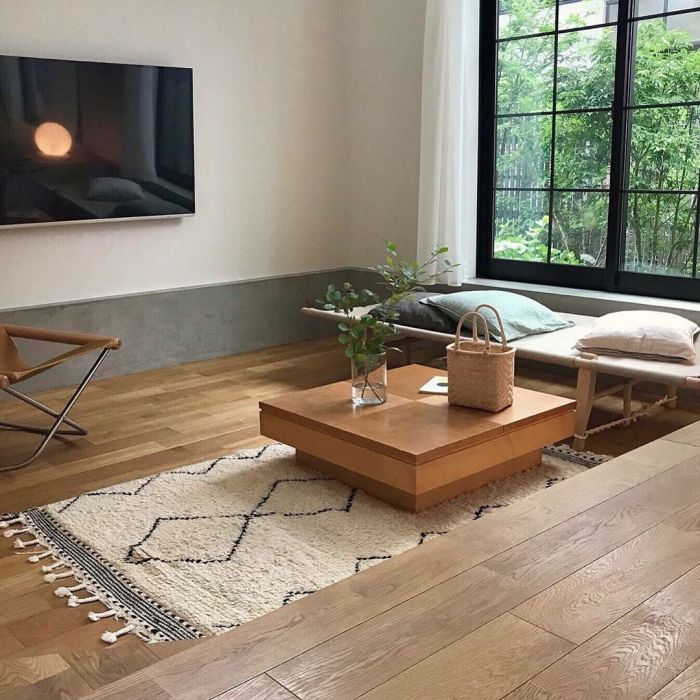
Japanese interior design prioritizes understated elegance and functional beauty. Furniture, in particular, plays a pivotal role in achieving this balance, reflecting a deep respect for nature and a minimalist approach to living. The emphasis is on harmony, both between the pieces themselves and between the home and its surroundings.Traditional Japanese furniture, often characterized by its low profiles and natural materials, fosters a sense of intimacy and connection with the environment.
This contrasts sharply with the grander, often more ornate styles found in other cultures. The use of natural materials, such as wood and bamboo, further emphasizes this connection to nature, creating a warm and inviting atmosphere. Accessories, carefully chosen, complement the overall aesthetic, adding layers of texture and visual interest without overwhelming the space.
Traditional Japanese Furniture Examples
Low tables, known as
- tsukue* or
- kotatsu*, are a hallmark of Japanese design. These tables, often made of wood, are typically placed at a low level, encouraging interaction and a sense of communal space. The futon, a rolled-up mattress, serves as both seating and sleeping arrangements. Its simple design and versatility reflect the practicality and adaptability inherent in Japanese culture. Shoji screens, crafted from translucent paper or rice paper mounted on wooden frames, define spaces and filter light, adding a layer of elegance and natural beauty.
The use of these traditional elements creates a visual narrative of Japanese culture and values.
Function and Design Characteristics
Japanese furniture prioritizes functionality over extravagance. Pieces are designed for multiple uses, reflecting the adaptability needed in a densely populated nation. The low profile of furniture facilitates easy movement and interaction. The emphasis on natural materials, such as polished wood, enhances the warmth and comfort of the space. The interplay of light and shadow, created by the use of shoji screens, contributes to a calming and serene atmosphere.
Creating Balance and Harmony
The placement and selection of furniture contribute to the overall sense of balance and harmony in a Japanese home. Furniture pieces are often arranged symmetrically or in a manner that creates visual flow, mimicking the natural world’s organic patterns. The use of negative space is crucial, allowing the room to breathe and the furniture to stand out without being overwhelming.
This approach creates a feeling of spaciousness and calm. The choice of colors and textures further enhances this harmony, reflecting the quiet elegance and understated beauty that defines the Japanese aesthetic.
Accessories for Complementing the Aesthetic
Accessories in a Japanese-style home are carefully chosen to enhance the existing design and not detract from it. Ikebana arrangements, or traditional Japanese flower arrangements, are a popular choice, showcasing the beauty of nature in a minimalist manner. Ceramic pottery, often featuring simple designs, adds a touch of sophistication. Wall hangings, such as calligraphy scrolls or prints of nature scenes, further contribute to the serene and aesthetically pleasing atmosphere.
The selection of accessories should complement the existing elements, avoiding overly ornate or cluttered displays.
Table of Japanese Furniture Types
| Furniture Type | Description | Features |
|---|---|---|
| Tsukue/Kotatsu | Low tables | Typically made of wood, low profile, often used for dining or communal activities |
| Futon | Rolled-up mattress | Serves as both seating and sleeping arrangements, emphasizes versatility and adaptability |
| Shoji Screens | Translucent paper or rice paper screens | Define spaces, filter light, and add a layer of elegance and natural beauty |
| Low Storage Cabinets | Small cabinets for storage | Built into walls or furniture, emphasizes minimalism and functionality |
| Chabudai | Low table for tea ceremonies | Often made of wood, featuring a simple design, used for communal tea ceremonies |
Lighting and Atmosphere
Japanese interior design prioritizes a sense of tranquility and harmony, achieved not just through aesthetics but also through the careful manipulation of light and shadow. Natural light is paramount, fostering a calming atmosphere and connecting the home to the surrounding environment. The thoughtful integration of lighting fixtures and techniques further enhances this serene ambiance, highlighting specific architectural features and creating a deeply personal and inviting space.Japanese lighting design aims to minimize harsh contrasts and maximize the gentle play of light and shadow.
This approach creates a sense of serenity, allowing the eye to rest and the mind to quiet. The design philosophy emphasizes the importance of indirect lighting, diffused illumination, and the subtle interplay of light and darkness.
Natural Light and Calming Ambiance
Natural light is central to creating a calming atmosphere in a Japanese home. Large windows and strategically placed openings allow ample sunlight to flood the space, fostering a connection with the outdoors. This connection to nature is a cornerstone of Japanese aesthetics, promoting a sense of peace and well-being. The soft, diffused light filtering through these openings creates a gentle glow, ideal for relaxation and contemplation.
Traditional Japanese Lighting Fixtures
Traditional Japanese lighting fixtures often incorporate natural materials like wood, paper, and bamboo. Shoji screens, for instance, can be translucent, allowing diffused light to filter through, while also offering a degree of privacy and control over the amount of light entering the room. Paper lanterns, often adorned with intricate designs, are another common feature, adding a touch of elegance and warmth to the space.
These lanterns can be hung in strategic locations, casting soft, ambient light. Similarly, traditional Japanese pendant lamps use carefully crafted paper shades, enhancing the aesthetic while directing light downward in a focused way.
Highlighting Features with Light
Well-placed lighting can dramatically highlight specific features within the home. For example, a strategically positioned spotlight on a beautiful bonsai tree can draw attention to its delicate branches and intricate foliage. Similarly, ambient lighting, particularly in Zen gardens, can enhance the textures and patterns of the gravel and stones, creating a visually appealing and serene atmosphere. This targeted illumination adds depth and dimension to the space, creating visual interest and focal points.
Modern Lighting Options
Modern interpretations of Japanese aesthetics often incorporate contemporary lighting options alongside traditional fixtures. LED lighting, for example, can be integrated into the design in subtle and understated ways, casting a soft glow without overwhelming the space. Recessed lighting, particularly when used sparingly, can highlight architectural features such as intricate ceilings or decorative beams. Moreover, warm-toned light bulbs can be used to create a cozy and inviting ambiance, echoing the warmth and comfort of traditional Japanese homes.
Japanese Gardens and Outdoor Spaces
Japanese gardens, a cornerstone of traditional aesthetics, transcend mere landscaping; they embody a philosophy of harmony with nature. These meticulously crafted outdoor spaces offer a serene escape, inviting contemplation and connection with the surrounding environment. Incorporating elements of a Japanese garden into a home’s decor can profoundly enhance the overall aesthetic, promoting tranquility and a sense of mindful living.The essence of a Japanese garden lies in its ability to evoke a sense of peace and contemplation.
This is achieved through careful selection and arrangement of elements like rocks, water features, and plants. The deliberate minimalism, the subtle interplay of light and shadow, and the overall sense of balance all contribute to a tranquil atmosphere. By mimicking these principles within the home, one can foster a similar sense of serenity and connection with the natural world.
Incorporating Garden Elements into Home Decor
Careful consideration of scale and proportion is essential. A miniature Zen garden, for instance, can effectively translate the principles of a larger garden into a smaller, indoor space. By utilizing miniature rocks, gravel, and carefully chosen plants, one can create a serene microcosm of a Japanese garden within the home. Similarly, a water feature, even a small fountain, can add a touch of Japanese serenity to an outdoor patio or balcony.
Types of Japanese Gardens
Several distinct types of Japanese gardens exist, each with its own unique characteristics and symbolism. The most common include:
- Zen gardens (Karesansui): These gardens utilize carefully arranged rocks and gravel to represent mountains and water. The absence of plants emphasizes the importance of emptiness and contemplation. The visual balance and minimalist approach of a Zen garden offer a sense of stillness and detachment, ideal for meditation and introspection.
- Water gardens (Sui-ken): These gardens incorporate water features, often ponds, streams, or waterfalls. The flowing water represents the continuous cycle of nature, evoking a sense of tranquility and dynamism. The presence of water adds a layer of serenity and a connection to the natural world.
- Tea gardens (Cha-niwa): These gardens are designed to facilitate the traditional tea ceremony. They are typically smaller, more intimate spaces, incorporating carefully selected plants and landscaping elements to enhance the atmosphere of the ceremony. The focus is on simplicity, tranquility, and a deeper connection to nature, all of which are integral to the experience.
Maintaining Balance and Harmony
Maintaining balance and harmony in a Japanese garden is paramount. The precise arrangement of rocks, plants, and water features is not arbitrary. It reflects a deep understanding of the natural world and a respect for its rhythms. This extends to the indoor representation, where similar principles of harmony and balance can be applied to create a cohesive and calming environment.
Role of Outdoor Spaces in Enhancing the Aesthetic
Outdoor spaces in a Japanese-style home should extend the interior aesthetic, not merely serve as an afterthought. A carefully planned outdoor area, incorporating elements of a Japanese garden, can enhance the overall sense of tranquility and serenity. By using natural materials, creating areas for contemplation, and employing a sense of restraint in design, the homeowner can effectively extend the calming principles of Japanese aesthetics to the outdoor environment.
A thoughtful blend of interior and exterior spaces can enhance the feeling of serenity and mindfulness, mirroring the Japanese concept of “wabi-sabi”
embracing imperfection and appreciating the beauty of natural processes.
Budget-Friendly Japanese Style
Japanese aesthetics, renowned for their serene minimalism and focus on natural materials, often carry a hefty price tag. However, achieving a Japanese-inspired home on a budget is entirely possible. This approach involves strategic choices in materials, furniture, and accessories, highlighting the core principles of Japanese design without sacrificing quality or visual appeal. Creative repurposing and clever use of affordable alternatives can transform a space into a tranquil haven reflecting Japanese artistry.Japanese design philosophy emphasizes functionality and simplicity, key elements that lend themselves to cost-effective solutions.
By prioritizing these principles, homeowners can create a sophisticated and aesthetically pleasing space without exceeding their budget.
Affordable Alternatives to Traditional Materials
Traditional Japanese materials like shoji screens and hinoki wood can be costly. Fortunately, a variety of budget-friendly substitutes effectively mimic the look and feel of these materials. Recycled or reclaimed wood, for instance, can be a surprisingly beautiful alternative to expensive, new wood. Similarly, fabric-covered panels can serve as affordable alternatives to shoji screens, allowing for a customized look.
These budget-friendly options still evoke the spirit of Japanese craftsmanship while significantly reducing the overall cost.
Budget-Friendly Accessories
Incorporating Japanese accessories is a great way to enhance the aesthetic appeal of a home without breaking the bank. Items like ceramic tea sets, simple wooden bowls, and miniature bonsai trees can be found at reasonable prices, offering a touch of traditional Japanese charm. Vintage finds, such as antique Japanese prints or decorative objects, are another option, adding character and history to the space.
Furthermore, handcrafted items from local artisans often offer unique, personalized pieces at accessible prices.
Incorporating Japanese Design Principles on a Budget
The principles of Japanese design, such as the concept of wabi-sabi, can be easily integrated into a budget-conscious design. Wabi-sabi embraces imperfection and natural beauty, suggesting that simplicity and authenticity can be achieved without relying on expensive materials or elaborate details. This approach can be achieved by focusing on natural light, using natural materials where possible, and incorporating open space to maximize the feeling of tranquility.
This often involves creative repurposing and resourceful use of readily available materials.
Budget-Friendly Design Options
- Repurposed furniture: Transforming old pieces of furniture to match the Japanese style. For example, adding a simple lacquer finish or a natural stain to a wooden dresser.
- Fabric screens: Fabric panels can be used to create a shoji-screen effect. Using a variety of colors and patterns to add visual interest, and choosing budget-friendly fabric will greatly help in reducing the cost.
- Affordable artwork: Instead of expensive original prints, consider affordable prints or digital artwork that evoke the Japanese aesthetic. These prints can be found online or in local craft stores.
- DIY lighting fixtures: Repurpose simple materials, such as bamboo or wood, to create unique lighting fixtures that reflect Japanese design principles. This not only brings cost-effectiveness but also adds a personalized touch.
Illustrative Images of Japanese Homes
Japanese homes, whether traditional or modern, offer a captivating blend of aesthetics, functionality, and a deep connection to nature. The use of space, materials, and design elements speaks volumes about Japanese culture and philosophy. These visual representations offer a powerful way to understand the essence of Japanese living.
A Traditional Japanese Interior
A traditional Japanese home, often referred to as a
- minka*, exemplifies the concept of
- wabi-sabi*. This aesthetic prioritizes simplicity, natural materials, and an appreciation for the beauty in imperfection. The interior often features tatami mats, low-slung furniture, and shoji screens that filter natural light. Exposed wooden beams and floors are common, enhancing the connection to nature and the sense of tranquility. Minimal ornamentation and a focus on functionality characterize the space.
The use of natural light is maximized through strategically placed shoji screens, creating a serene and airy atmosphere. Furnishings are usually low to the ground, allowing for easy movement and reflecting the close-to-the-earth philosophy of the culture. The color palette leans toward muted tones of earth and wood, further emphasizing the natural theme.
A Traditional Japanese Garden
Traditional Japanese gardens, meticulously crafted miniature landscapes, are renowned for their ability to evoke a sense of peace and tranquility. The design is based on principles of harmony and balance. Stones, often large and irregular, represent mountains. Water features, like a small pond or a cascading waterfall, mimic natural elements and contribute to the serene atmosphere. Careful placement of carefully selected plants, such as bamboo, pine trees, and flowering shrubs, add visual interest and seasonal variation.
These gardens often incorporate carefully chosen rocks to represent mountains, with meticulously placed gravel or sand to mimic the flowing patterns of the landscape. The overall effect is one of profound contemplation and appreciation for nature’s beauty. A path through the garden may lead to a tea house or other structures, further enhancing the immersive experience.
A Modern Japanese Home
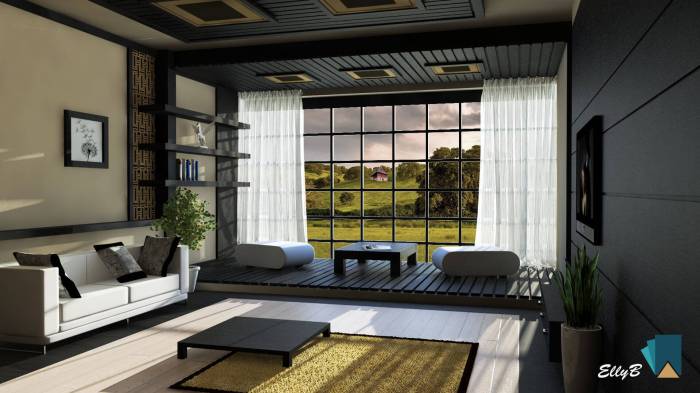
Modern Japanese homes often retain traditional elements while incorporating contemporary design principles. Open floor plans are common, maximizing the flow of natural light and creating a sense of spaciousness. Clean lines and minimalist aesthetics are evident in the furniture and décor. Natural materials like wood and bamboo are still central to the design, providing warmth and a connection to nature.
However, modern materials like glass and steel are often integrated seamlessly, creating a contemporary feel. The integration of natural light is paramount, achieved through large windows and strategically placed skylights. The use of modern technology, such as smart home systems, can also be integrated without disrupting the harmony of the space.
A Small Apartment Transformed
A small apartment can be transformed into a serene Japanese-style home through careful planning and the strategic use of space. Minimalist design is key, eliminating unnecessary clutter and maximizing storage solutions. The use of natural materials like bamboo and wood creates a warm and inviting atmosphere. Mirrors can be strategically placed to enhance the feeling of spaciousness.
Vertical space is maximized through wall-mounted shelves and storage solutions, making the most of the available area. Natural light is maximized by keeping walls and floors light-colored. A careful selection of furnishings and accessories, including small, low-profile tables and comfortable seating, contributes to the overall aesthetic. By embracing minimalism and utilizing natural elements, a small apartment can become a haven of peace and serenity, embodying the essence of Japanese design.
Wrap-Up
In conclusion, Japanese family home decor offers a compelling alternative to conventional design, emphasizing a harmonious blend of tradition and modernity. By understanding the core principles, from space planning and material selection to the subtle symbolism of colors and textures, readers can craft a home that reflects the Japanese aesthetic and promotes a sense of tranquility and well-being.
