
Book lovers face a common dilemma: how to maximize the visual appeal and organizational efficiency of their bookshelves. Shelf dividers offer a solution, transforming a potentially chaotic display into a curated and aesthetically pleasing collection. This comprehensive guide delves into the myriad types, materials, and design considerations to help readers select the perfect dividers for their specific needs and aesthetic preferences.
From simple plastic solutions to elaborate wood or metal designs, the range of shelf dividers available is astounding. Understanding the diverse options, from adjustable heights to stackable designs, allows for a tailored approach to organizing and displaying books in any space.
Types of Shelf Dividers
Shelf dividers are essential organizational tools, transforming cluttered bookshelves into visually appealing and functional displays. Their diverse range caters to various aesthetic preferences and practical needs, from the simple desire for order to the sophisticated arrangement of specific book sizes. This analysis explores the spectrum of materials, designs, and applications, ultimately helping readers make informed choices for their home libraries.Shelf dividers offer a practical solution to maximize space and enhance the visual appeal of book collections.
They enable a more organized and visually appealing arrangement, preventing books from shifting or falling. Choosing the right divider type depends on individual needs and preferences.
Material Types
Shelf dividers are available in a variety of materials, each offering unique characteristics in terms of durability, aesthetics, and cost. Understanding the differences in material properties is crucial in selecting the best divider for a specific bookshelf.
- Plastic: A popular choice for its affordability and lightweight nature. Plastic dividers are often clear or translucent, allowing books to remain visible. They’re easy to clean and come in various shapes and sizes. However, their durability can be a concern, especially with heavier books or frequent use. Some plastic dividers may scratch or warp over time.
- Wood: Offering a natural and warm aesthetic, wood dividers add a touch of elegance to any bookshelf. They are typically more durable than plastic, especially if made from hardwoods like oak or maple. Wood dividers can be crafted in a range of styles, from simple to ornate. The cost tends to be higher compared to plastic, and maintenance, such as refinishing, might be required over time.
- Metal: Metal dividers, often crafted from steel or aluminum, provide a strong and durable solution. They are ideal for heavy books or collections that require a high level of stability. Metal dividers often offer a contemporary aesthetic and can be easily cleaned. However, they might not be suitable for all décor styles and can be more expensive than plastic or wood options.
- Fabric: Fabric dividers, usually made from cotton or linen, are a versatile option for those seeking a softer, more textured aesthetic. They can add a pop of color or a touch of pattern to the bookshelf. Fabric dividers are typically lightweight and easy to clean. Their durability is generally lower compared to wood or metal, and they might not be suitable for very heavy books or frequent use.
Design Styles
Shelf dividers come in a variety of design styles, catering to different tastes and organizational needs. Choosing the right design will depend on the overall look and feel of the bookshelf.
- Simple: These dividers are minimalist in design, focusing on functionality rather than embellishment. They are typically made from plastic or metal and are a good option for those seeking a clean and uncluttered look.
- Decorative: These dividers incorporate intricate designs, patterns, or embellishments, adding a touch of visual interest to the bookshelf. Decorative dividers often feature unique shapes or textures, offering a way to showcase a particular aesthetic.
- Adjustable: These dividers are designed to be adjusted in height or width to accommodate different book sizes or shelf spaces. This flexibility is particularly useful for libraries with varied book collections.
- Stackable: These dividers are designed to be stacked on top of each other, allowing for greater vertical organization and a more compact arrangement on the shelves.
Specific Book Size/Shape Dividers
Some dividers are designed specifically to accommodate different book sizes or shapes. This feature is crucial for maintaining the correct spacing and preventing books from tilting or falling.
- Large Format Books: Dividers for large format books (e.g., coffee table books or art books) are designed to provide more space between the books to prevent damage. These dividers often have a wider or deeper profile than standard dividers.
- Thin Books: Dividers designed for thin books may feature a smaller footprint or a specific design that prevents the books from falling out of place. These dividers are especially helpful in densely populated shelves.
Durability and Longevity
The durability and longevity of shelf dividers depend significantly on the chosen material. Careful consideration of these factors will ensure that the investment in dividers serves the user for a considerable amount of time.
| Material | Durability | Longevity |
|---|---|---|
| Plastic | Moderate | Variable (depending on quality and use) |
| Wood | High | Long |
| Metal | Very High | Very Long |
| Fabric | Low | Short |
Functionality and Benefits
Shelf dividers, beyond their aesthetic appeal, offer substantial practical advantages for organizing and maintaining a well-curated library. They transform a potentially chaotic arrangement of books into a visually appealing and easily navigable collection. By strategically dividing shelves, users can improve the accessibility and maintainability of their books.Effective organization, achieved through the use of shelf dividers, transcends mere aesthetics; it significantly impacts the overall user experience.
Properly placed dividers create distinct zones for different genres or collections, fostering a sense of order and control. This targeted organization not only enhances the visual appeal of the bookshelf but also streamlines the process of finding specific titles.
Practical Advantages of Using Shelf Dividers
Shelf dividers offer a multitude of practical advantages that extend beyond simply enhancing the visual appeal of a bookshelf. They effectively prevent books from shifting, tilting, or falling, safeguarding valuable literary treasures from potential damage.
- Enhanced Organization and Accessibility: Dividers create defined sections, making it easier to locate specific books. This targeted organization, whether by genre, author, or size, greatly increases the accessibility of desired titles. For example, separating cookbooks from novels or categorizing books by size allows users to quickly find the book they need without sifting through unrelated material. This focused approach reduces the time spent searching and increases the overall enjoyment of the collection.
- Preventing Shifting and Falling: Books, especially larger volumes, can shift and even fall off shelves due to uneven weight distribution. Dividers act as physical barriers, preventing books from sliding or tipping over, thereby minimizing the risk of damage. This proactive approach to shelf stability is crucial for maintaining the integrity of the book collection, especially on shelves with varying book heights and weights.
This is particularly important for books with fragile covers or valuable bindings.
- Improved Visual Appeal: Strategically placed dividers contribute to a well-organized and visually appealing bookshelf. This visual improvement is a significant benefit, transforming the shelf from a disorganized collection to a carefully curated display. The defined zones created by dividers enhance the overall aesthetic appeal, adding a touch of sophistication and refinement to the home library. Books that were previously crowded and overwhelming become neatly arranged, allowing for a more pleasing visual experience.
Impact on the Overall Visual Appeal
The strategic use of shelf dividers significantly elevates the visual appeal of a bookshelf. This enhancement goes beyond simple organization; it creates a cohesive and aesthetically pleasing display.
Well-chosen dividers, matching the overall design aesthetic, can dramatically transform a bookshelf from a haphazard collection of books to a curated display. Consider the color and material of the dividers; they should complement the existing décor rather than clashing with it. This careful consideration for aesthetics contributes to a more harmonious and visually appealing environment.
Materials and Construction
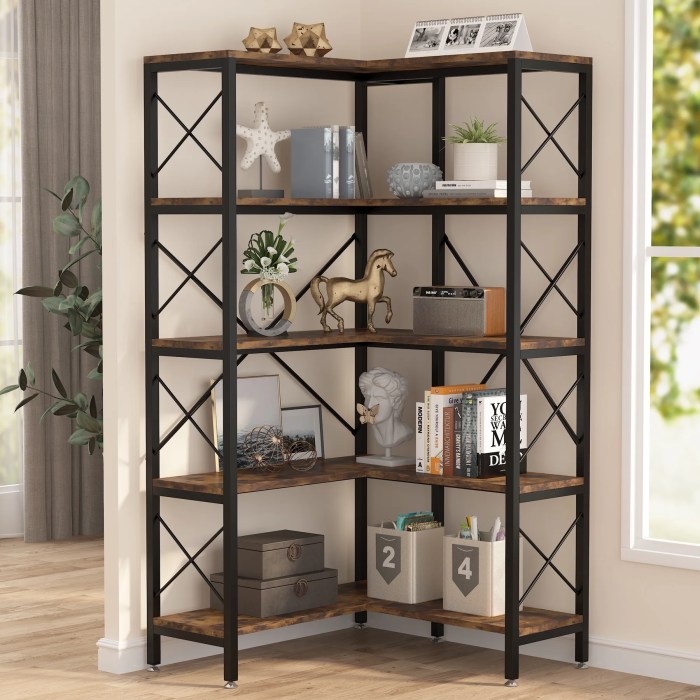
Shelf dividers, crucial for organizing books and other items, come in a wide array of materials, each with its own set of advantages and disadvantages. Choosing the right material is critical for both aesthetic appeal and practical functionality. Considerations include durability, cost-effectiveness, and environmental impact. This section delves into the specifics of these materials, examining their construction and sustainability.The choice of material for shelf dividers significantly impacts their longevity, aesthetic integration into a space, and overall cost.
From the simplest cardboard to sophisticated wood or even recycled plastics, the range of options allows for personalization and tailoring to specific needs and budgets.
Different Materials Used
Various materials are employed in creating shelf dividers, each offering a unique blend of characteristics. Wood, known for its strength and aesthetic appeal, remains a popular choice. Cardboard, readily available and inexpensive, is a budget-friendly option, though its durability is a factor to consider. Metal dividers, often crafted from steel or aluminum, provide a robust and long-lasting solution, while plastic, with its versatility, comes in various grades and colors.
Glass dividers, while visually striking, are generally more expensive and may require additional support for stability.
Cost-Effectiveness Comparison
The cost-effectiveness of shelf dividers varies greatly depending on the material and its source. Cardboard dividers are usually the most affordable option, making them suitable for temporary or low-budget storage solutions. Wooden dividers, often handcrafted, typically fall within a mid-range price point, reflecting the labor and material costs. Metal dividers, particularly those made from more readily available metals like steel, can be a more expensive option.
Plastic dividers, with their diverse manufacturing processes, exhibit a wide range of price points, ranging from budget-friendly options to more premium, durable varieties.
Construction Methods
The methods used to construct shelf dividers significantly influence their strength, stability, and overall quality. Simple cardboard dividers are often constructed by cutting and folding sheets of cardboard to create a desired shape. Wooden dividers might involve woodworking techniques like cutting, sanding, and finishing to achieve the desired design. Metal dividers often employ precision cutting and welding or other joining methods for a sturdy and long-lasting product.
Plastic dividers, depending on the material and design, may utilize injection molding or other manufacturing processes.
Sustainable Materials
The growing awareness of environmental impact has driven the adoption of sustainable materials in shelf divider production. Recycled cardboard, for instance, provides a readily available and sustainable alternative to virgin cardboard. Bamboo, known for its rapid growth, offers a renewable resource for wooden dividers. Recycled plastic, derived from post-consumer waste, is a promising alternative for plastic dividers, significantly reducing the reliance on virgin plastic.
Furthermore, some companies employ eco-friendly paints and finishes in their manufacturing process, contributing to the overall sustainability of their products.
Design Considerations
Maximizing the visual appeal and practical utility of a bookshelf hinges on thoughtful design considerations. Dividers, carefully chosen and strategically placed, can transform a cluttered space into an organized and aesthetically pleasing display. This section delves into optimizing space, incorporating aesthetics, and leveraging color and texture to elevate the overall bookshelf experience.Effective shelf dividers must account for the specific dimensions of the bookshelf they will inhabit.
Ignoring these fundamental aspects can lead to mismatched arrangements and a visually unappealing display. Proper consideration of height and width is crucial to ensure both functionality and a cohesive aesthetic.
Optimizing Space Utilization
Bookshelf dividers should be tailored to the specific dimensions of the bookshelf. Measurements are crucial to determine the optimal spacing for books and other items. This ensures that the shelves are not overcrowded or underutilized. Dividers should be precisely sized to create a functional and visually balanced arrangement. For example, a narrow bookshelf might benefit from vertical dividers to create distinct zones for different genres, while a wider bookshelf might accommodate horizontal dividers for organizing by size or color.
Height and Width Considerations
The height and width of the bookshelf significantly influence the selection of dividers. Dividers that are too tall or wide can visually overwhelm the shelves, whereas dividers that are too small can fail to create distinct zones. Considering the dimensions of the books and other items to be stored is essential. For instance, if the bookshelf houses large format books, the dividers should be proportionally larger to maintain visual balance.
Similarly, for a bookshelf containing smaller items, like magazines or collectibles, the dividers should be proportionally smaller. This ensures that the items are neatly displayed and that the dividers do not obstruct the view.
Incorporating Aesthetic Styles
Dividers can be instrumental in integrating a variety of aesthetic styles. A modern bookshelf might benefit from sleek, minimalist dividers in neutral tones, whereas a vintage bookshelf could be enhanced with ornate or patterned dividers. Consider the existing decor of the room when choosing dividers to maintain a harmonious aesthetic. Matching the style of the dividers to the overall design of the room creates a cohesive look.
Color and Texture Enhancement
Color and texture can elevate the visual appeal of a bookshelf. Using contrasting colors can draw attention to specific sections, while using complementary colors can create a harmonious blend. Textures, such as wood grain or woven patterns, can add visual interest and depth. For example, a bookshelf displaying a collection of art books might benefit from dividers with a subtle wood grain pattern, complementing the warm tones of the books.
Similarly, a bookshelf showcasing various collectibles could incorporate dividers with a textured woven surface, highlighting the unique items.
Space Optimization
Maximizing the use of bookshelf space is crucial for both aesthetic appeal and practical organization. Effective use of shelf dividers can transform a cluttered space into a well-curated display, allowing books to be organized in a way that maximizes the available area and improves the overall visual impact. Proper arrangement not only enhances the look of the bookshelves but also makes it easier to find specific titles, promoting a more efficient and enjoyable reading experience.Shelf dividers, when strategically implemented, become a powerful tool for space optimization.
By creating defined sections and compartments, they help to prevent books from shifting and tumbling, reducing the risk of damage and ensuring a stable, organized display. This organized approach also minimizes clutter, allowing for a clear view of the entire collection and creating a more inviting and visually appealing environment.
Optimizing Book Arrangement
Proper arrangement of books of varying sizes and shapes is vital for achieving a visually appealing and functional layout. This involves considering the different dimensions of each book, ensuring that the spines are aligned, and that there is sufficient space between books to allow for easy access. Grouping books by genre or author can add a layer of visual interest and help in creating a more organized and appealing layout.
Strategies for Maximizing Space
Implementing specific strategies for arranging books helps maximize the available space. A crucial strategy involves utilizing vertical space effectively. Instead of just stacking books, consider placing books of similar sizes and shapes in a vertical orientation. This can dramatically increase the number of books that can be stored on the shelves without sacrificing visual appeal.
Visual Layout for Different Genres
A visually appealing layout for displaying different genres of books can be achieved through the strategic use of shelf dividers. Creating thematic groupings of books, such as a dedicated section for mystery novels, or a grouping for cookbooks, allows for a more visually engaging display. This method also helps in categorizing books, making it easier to find specific titles.
The use of different colors or materials for the dividers can further enhance the visual appeal and create a clear visual distinction between different genres. Consider placing books with similar colors or spines together. This approach not only enhances visual appeal but also assists in quickly identifying the genres of books on the shelves.
Preventing Clutter with Dividers
Shelf dividers play a critical role in preventing clutter on bookshelves. By creating distinct sections and compartments, dividers prevent books from becoming jumbled and overflowing, thereby maintaining a tidy and organized appearance. Dividers provide a structured framework, which not only improves the visual appeal of the shelves but also simplifies the process of finding specific books, contributing to a more user-friendly reading experience.
They prevent books from shifting and tumbling, minimizing the risk of damage. This structured approach to arranging books leads to a well-organized display, which in turn creates a more inviting and visually appealing environment.
Visual Appeal and Aesthetics
Beyond functionality, shelf dividers significantly impact the aesthetic appeal of a bookshelves. They can transform a cluttered or disorganized display into a curated and visually engaging presentation, enhancing the overall ambiance of a room. The strategic use of dividers can elevate a space, drawing attention to specific collections or highlighting the beauty of individual books.Well-chosen dividers create a sense of order and harmony, improving the visual flow and appeal of the bookshelves, thus enhancing the entire room’s aesthetic.
This visual improvement is not just about the shelves themselves but extends to the overall impression the space makes on visitors and occupants.
Different Divider Styles and Visual Presentation
Employing various divider styles can dramatically alter the visual presentation of a bookshelves. For instance, simple, clean lines of minimalist dividers create a modern and contemporary feel, while ornate or decorative dividers introduce a touch of elegance and tradition. A collection of books showcasing varying heights and widths can be visually appealing when divided into smaller, organized sections.
This allows the eye to appreciate the diverse forms and sizes within the collection. Likewise, adding dividers of contrasting materials, like wood and metal, can introduce an element of visual interest. Dividers that subtly match the furniture can blend seamlessly with the décor.
Color and Design Elements for Cohesive Aesthetics
Color and design elements are key to creating a cohesive aesthetic. Matching or contrasting dividers with the bookshelves or room’s color scheme can create a unified look. Using dividers with subtle patterns or textures adds visual depth and interest, while employing a monochromatic color palette maintains a clean and sophisticated feel. The careful selection of color and design elements can dramatically enhance the overall visual appeal of the space.
For instance, a muted, earthy tone can complement a rustic-style room, while vibrant colors can energize a modern living area.
Integrating Dividers into Existing Décor Styles
The integration of dividers into existing décor styles is crucial for a harmonious aesthetic. For example, in a modern Scandinavian-style home, minimalist dividers with clean lines can be used to enhance the space’s simplicity and elegance. In a traditional or Victorian-style setting, dividers with ornate carvings or intricate designs can complement the existing décor, emphasizing the classic style.
A cohesive aesthetic is paramount, and selecting dividers that harmonize with the existing furniture and room design is vital.
Choosing Dividers to Complement Furniture and Room
Choosing dividers that complement existing furniture and the overall room design is critical. Matching the dividers’ materials, colors, and styles to the furniture will create a seamless transition between the two elements. For example, if the furniture features natural wood tones, choosing wood or wood-look dividers will create a unified aesthetic. Likewise, if the room features a color palette dominated by blues and greens, choosing dividers with these hues will help the overall design blend seamlessly.
This cohesive design extends to the style of the room as well; a modern room would look best with clean-lined dividers, whereas a traditional room might benefit from more elaborate ones.
Installation and Maintenance
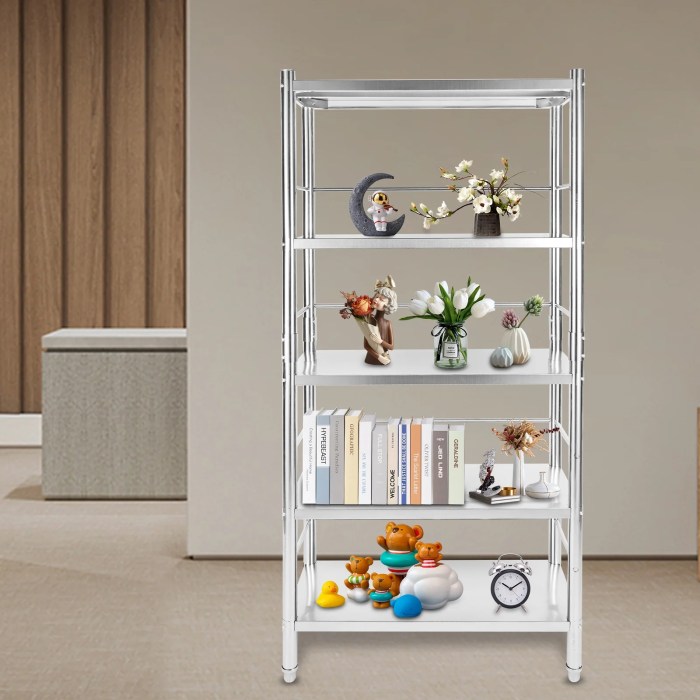
Shelf dividers, crucial for maximizing space and organizing bookshelves, demand careful installation and consistent maintenance to preserve their effectiveness and aesthetic appeal. Proper installation ensures stability and prevents future issues, while routine maintenance prolongs the life of the dividers and maintains a tidy appearance. This section details the steps involved in installation, maintenance procedures for various materials, and strategies for efficient removal and replacement.
Installation Procedures
Careful planning and precise execution are key to successful installation. Misalignment or improper placement can lead to instability and potential damage to the shelf or the dividers themselves. Begin by thoroughly inspecting the shelf to ensure it can support the weight of the dividers and books. Measure the shelf’s width and depth to determine the ideal spacing for the dividers.
Select dividers that are compatible with the shelf’s dimensions and the desired organization. Ensure the dividers’ mounting hardware aligns correctly with the shelf’s structure, whether it’s slots, clips, or adhesive strips. Finally, test the dividers for stability to ensure they remain securely in place under typical use.
Maintenance Procedures for Different Materials
Different materials necessitate specific maintenance routines. Wood dividers, for instance, benefit from occasional cleaning with a soft cloth dampened with a mild detergent solution. Avoid harsh chemicals or abrasive cleaners that can damage the finish. Metal dividers, typically robust, require less frequent cleaning, but periodic wiping with a damp cloth can prevent dust accumulation and maintain a polished appearance.
Plastic dividers can be cleaned with a damp cloth and mild detergent, ensuring to avoid any scratches or damage. Ensure that the cleaner does not contain harsh chemicals, as these can potentially damage the dividers.
Removal and Replacement Strategies
Removing and replacing shelf dividers is a straightforward process. First, identify the mounting mechanism and the specific instructions for each type of divider. For dividers with clips, gently press the clips to release them from the shelf. For those with adhesive backing, carefully peel off the adhesive, ensuring to remove any residual adhesive. Replace dividers by reversing the installation process, ensuring proper alignment and secure placement.
Cleaning and Sanitization Guidelines
Regular cleaning and sanitization are vital for maintaining the hygiene of shelf dividers. For most materials, a soft cloth dampened with a mild detergent solution suffices. For wood, avoid harsh chemicals. If the dividers are made of a material that can be affected by moisture, avoid excessive water. Ensure the divider is completely dry before placing books back on the shelf.
For sanitization, dilute a suitable disinfectant according to the manufacturer’s instructions and apply it to the divider with a soft cloth. Allow the divider to air dry completely before returning the books.
Cost and Availability
Shelf dividers, while seemingly simple, can vary significantly in price depending on materials, features, and quality. Understanding the price spectrum is crucial for consumers to make informed decisions aligning with their budget and desired level of functionality. This section explores the cost structure, availability, and factors impacting the pricing of these versatile organizational tools.The price of shelf dividers is influenced by several key factors, including the material used, the complexity of the design, and the overall level of durability.
High-quality, robust dividers often incorporate premium materials and intricate designs, leading to a higher price point. Conversely, simpler, more basic dividers constructed from less expensive materials typically command a lower price.
Pricing Variations by Material and Features
Different materials and features contribute significantly to the cost of shelf dividers. A comparative analysis helps understand the price range associated with various options.
| Material | Features | Estimated Price Range (USD) |
|---|---|---|
| Solid wood (e.g., maple, oak) | Hand-crafted, intricate designs, often customizable | $20-$100+ per set |
| MDF (Medium-density fiberboard) | Durable, readily available, various finishes | $10-$50 per set |
| Metal (e.g., steel, aluminum) | Modern aesthetic, sturdy, often adjustable | $15-$75 per set |
| Plastic (e.g., acrylic, polypropylene) | Lightweight, budget-friendly, transparent or colored options | $5-$30 per set |
| Recycled/sustainable materials | Eco-friendly options, varying design complexity | $15-$60 per set |
Note: Price ranges are approximate and can vary based on specific dimensions, quantity, and retailer.
Purchasing Options
Consumers have various avenues for acquiring shelf dividers, encompassing both online and local retail channels.
- Online Retailers: Major online marketplaces (e.g., Amazon, Etsy, Wayfair) offer a vast selection of shelf dividers, often with competitive pricing and wider product variety. The convenience of browsing and comparing options across different brands and styles is significant.
- Local Stores: Home improvement stores (e.g., Home Depot, Lowe’s), department stores, and specialty retailers often stock a curated selection of shelf dividers. These options provide opportunities for in-person examination and customization consultations, which can be beneficial.
- Direct-to-Consumer Brands: Some brands offer direct sales through their websites, providing potentially more personalized service and potentially exclusive designs. This allows for direct interaction with the manufacturer.
Factors Influencing Divider Prices
Several factors contribute to the pricing of shelf dividers.
- Material Quality: Higher-quality materials, such as hardwoods or metal alloys, typically command a premium price due to their enhanced durability and aesthetic appeal.
- Design Complexity: Intricate designs, customizable features, and specialized finishes all increase production costs, leading to a higher price point for the finished product.
- Manufacturing Processes: Sophisticated manufacturing techniques or the use of specialized tools can add to the production cost, impacting the final price.
- Brand Recognition: Established brands often command higher prices due to brand recognition, perceived quality, and marketing efforts.
- Shipping Costs: Shipping charges can influence the overall cost, especially for larger or heavier dividers.
Quality and Durability at Different Price Points
The quality and durability of shelf dividers often correlate with the price. Budget-friendly options might sacrifice some structural integrity or aesthetic appeal, while premium dividers are typically more robust and enduring.
- Budget-Friendly Options: These dividers, frequently constructed from materials like plastic or MDF, are generally suitable for lighter items and basic shelving needs. Durability may be lower, and the aesthetic appeal may not be as high.
- Mid-Range Options: Mid-range dividers, often made from wood or metal, balance affordability with functionality. They provide a good balance of durability and aesthetic appeal, suitable for everyday use and organizing various items.
- Premium Options: Premium dividers, constructed from high-quality materials and featuring intricate designs, offer superior durability and long-term value. These options are ideal for displaying delicate or valuable items and ensuring longevity.
Customer Reviews and Feedback
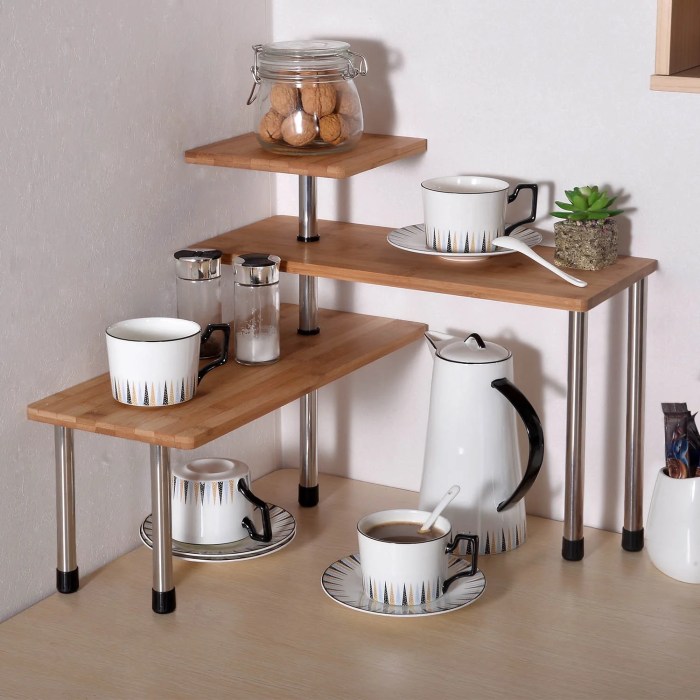
Shelf dividers, a seemingly simple home organization tool, have a profound impact on customer satisfaction. Positive experiences often stem from practical benefits like improved visual appeal and space optimization. Conversely, negative reviews frequently point to design flaws, material limitations, or installation complexities. Understanding these varied perspectives is crucial for manufacturers and retailers seeking to refine their products and meet evolving customer needs.Customer feedback provides valuable insights into the effectiveness and limitations of different shelf divider types.
Analyzing this feedback allows for a deeper understanding of the features that resonate most with consumers, helping businesses tailor their offerings to meet market demands. Analyzing trends in reviews across different product categories helps identify recurring themes and pain points, ultimately driving innovation and product improvement.
Customer Satisfaction Factors
Customer satisfaction with shelf dividers hinges on a multitude of factors. These include ease of use, aesthetic appeal, durability, and the overall effectiveness in achieving desired organizational goals. Customers often prioritize dividers that seamlessly integrate with existing décor, allowing for a cohesive and visually pleasing presentation of items. Practicality is equally important, with users seeking dividers that maintain their structural integrity and resist damage from frequent use.
Categorized Customer Feedback
A breakdown of customer reviews reveals consistent themes across various types of shelf dividers. For example, adjustable dividers receive positive feedback for their versatility, allowing users to customize the spacing between items. Fixed dividers, while less adaptable, are appreciated for their stability and consistent display. Clear plastic dividers are frequently praised for their transparency, allowing for easy visibility of items while maintaining an unobstructed view.
Metal dividers, often favored for their durability, sometimes receive criticism regarding the potential for scratches or damage to delicate items.
Positive and Negative Feedback Examples
Positive feedback often highlights the “space-saving” capabilities of dividers. A customer review for a specific adjustable divider might mention “amazingly improved storage” and “easy to adjust.” Conversely, negative feedback frequently targets the durability of certain materials. One review for a wooden divider might mention warping or breakage after a few months of use.
Summary of Customer Opinions
Overall, customer opinions indicate a preference for dividers that are both aesthetically pleasing and functionally effective. Customers appreciate features like adjustable heights, robust materials, and straightforward installation processes. Conversely, common criticisms include inadequate durability, difficulty in adjusting, and potentially poor visual integration with existing décor.
Influencing Factors on Customer Satisfaction
Several factors contribute to customer satisfaction with shelf dividers. First, the quality of materials directly impacts the lifespan and structural integrity of the divider. Second, the ease of installation significantly impacts the user experience. Third, the design’s aesthetic appeal and compatibility with existing décor play a crucial role in the overall satisfaction. Finally, the product’s ability to meet the specific storage needs of the customer is critical.
A poorly designed divider may look aesthetically pleasing, but if it fails to adequately organize the items, customer satisfaction will suffer.
Final Conclusion
In conclusion, shelf dividers for books are more than just organizational tools; they are essential elements in crafting a visually compelling and functional bookshelf. By carefully considering materials, design, and installation, readers can transform their bookshelves into inspiring displays that elevate their personal spaces. Ultimately, the right dividers can enhance both the aesthetic and practical value of a collection, making the act of reading more enjoyable.