
From casual dinners to formal gatherings, washable table runners offer a stylish and practical way to elevate any dining experience. This guide delves into the diverse world of washable table runners, exploring their materials, designs, and care to help you choose the perfect runner for your needs.
The article explores a range of washable table runners, from the rustic charm of cotton and linen to the modern elegance of polyester blends. It also examines the importance of proper sizing, care instructions, and how design choices impact the overall aesthetic of a dining area.
Introduction to Washable Table Runners
Washable table runners have become a staple in modern households, offering a practical and stylish way to elevate dining experiences. Their versatility extends beyond aesthetics, providing a durable and easy-to-maintain solution for everyday use and special occasions. This adaptability makes them a popular choice for various dining settings, from casual family meals to formal gatherings.Beyond their practicality, washable table runners contribute to a cohesive and visually appealing dining space.
The range of designs, materials, and colors allows for customization to match individual preferences and décor styles, transforming a simple meal into a more engaging and enjoyable experience.
Types of Washable Table Runners
A wide array of materials contribute to the versatility of washable table runners. Understanding the properties of each material helps in selecting the perfect runner for specific needs.
- Cotton Table Runners: Known for their breathability and absorbency, cotton runners are a popular choice for their comfort and natural feel. They are often a good value and are readily available in various colors and patterns. Cotton’s softness makes them ideal for casual dining environments, and its durability ensures longevity.
- Linen Table Runners: Linen runners exude a sophisticated and rustic charm. Their natural texture adds a touch of elegance to any table setting. While linen requires more care than cotton, its unique drape and understated beauty make it a favorite for more formal occasions. The slightly rougher texture of linen adds a distinctive visual appeal.
- Polyester Table Runners: Polyester runners offer a balance of affordability and durability. Their wrinkle resistance and stain resistance make them an excellent choice for busy households or those with children. Polyester is also relatively easy to care for, making it a practical option for everyday use.
Designs, Patterns, and Colors
The aesthetic appeal of washable table runners is further enhanced by the vast array of designs, patterns, and colors available. This allows for a personalized touch, ensuring a table runner aligns seamlessly with the overall dining space.
- Solid Colors: Simple solid colors provide a neutral backdrop, allowing other elements of the table setting, such as tableware and flowers, to take center stage. Solid colors offer a timeless elegance that can adapt to various décor styles.
- Printed Patterns: Printed patterns add visual interest and personality to the table setting. These patterns can range from floral designs to abstract patterns, adding a pop of color and style. The variety of patterns ensures that a runner can be found to complement a particular aesthetic.
- Geometric Patterns: Geometric patterns bring a contemporary feel to the dining space. They can be subtle or bold, adding a touch of modern flair to the table setting. Geometric designs can easily integrate with a wide range of styles, from minimalist to eclectic.
- Color Palettes: Color palettes play a significant role in creating a cohesive and visually appealing table setting. Consider the existing color scheme of the dining room or the colors of the tableware when selecting a runner. Choosing colors that complement each other creates a harmonious and aesthetically pleasing atmosphere.
Materials and Construction
Washable table runners, a popular choice for home décor, offer a blend of practicality and style. Their ability to withstand repeated washing while maintaining their aesthetic appeal is a key selling point. This section delves into the critical factors influencing the performance and longevity of these versatile textiles.The selection of materials and the subsequent construction methods significantly impact a washable table runner’s durability, water resistance, and overall appeal.
Factors like the material’s inherent properties and the intricacy of the weaving or printing processes contribute to the runner’s lifespan and suitability for everyday use.
Material Properties
The choice of material directly impacts a washable table runner’s performance. Different materials offer varying degrees of durability, water resistance, and absorbency. Understanding these characteristics is crucial for selecting a runner that aligns with one’s lifestyle and needs.
- Durability: Materials like cotton, linen, and durable polyester blends are known for their resistance to wear and tear, making them suitable for high-traffic areas. More delicate materials like silk or rayon might require more careful handling.
- Water Resistance: Some materials, such as treated cotton or certain synthetic blends, exhibit better water resistance than others. This characteristic is essential for preventing water stains and ensuring the runner’s longevity when used with spills. The runner’s ability to shed water and prevent the absorption of liquid is critical.
- Absorbency: Materials with high absorbency, like cotton or linen, can quickly soak up spills. This is a consideration for high-risk areas. Conversely, materials like polyester are generally less absorbent, making them better suited for potential spills.
Construction Methods
The method of construction impacts the table runner’s longevity, appearance, and overall aesthetic. Common techniques include weaving, knitting, and various printing methods.
- Weaving: Woven table runners are typically more durable and have a structured appearance. The tightly interlaced threads contribute to their resistance to tearing and stretching. The intricacy of the weave can significantly impact the runner’s aesthetic appeal.
- Knitting: Knitted table runners often feature a softer, more flexible texture. This can make them more comfortable to touch and less prone to damage from minor impacts. However, they may not be as durable as woven counterparts.
- Printing: Various printing techniques can be employed to add designs and patterns to table runners. The quality of the printing process affects the runner’s appearance, durability, and resistance to fading. The longevity of the printed design directly correlates with the chosen printing method.
Comparison of Materials
A comparative analysis of materials provides insight into their respective strengths and weaknesses. This table summarizes the key characteristics of popular choices.
| Material | Durability | Water Resistance | Absorbency | Cost |
|---|---|---|---|---|
| Cotton | Good | Moderate | High | Generally Moderate |
| Linen | Good | Moderate | Moderate | Moderate to High |
| Polyester | Excellent | High | Low | Generally Low |
| Silk | Low | Moderate | Moderate | High |
Different materials offer different qualities, and the optimal choice depends on the desired balance of durability, water resistance, and absorbency, alongside the budget.
Care and Maintenance
Washable table runners offer a practical and aesthetically pleasing solution for dining settings. Proper care ensures their longevity and maintains their vibrant appearance. Following the recommended guidelines for washing, drying, and storage will preserve the quality and integrity of these versatile textiles.Maintaining a table runner’s pristine condition involves a multi-faceted approach. This section details the optimal practices for washing, drying, and storage, emphasizing preventative measures to avoid damage and shrinkage.
These methods will ensure your washable table runners remain a reliable and beautiful addition to your dining experience.
Washing Instructions
Proper washing is crucial to preserving the table runner’s color and texture. Machine washing is often convenient, but careful attention to water temperature and cycle selection is essential.
- Water Temperature: Use cold or lukewarm water. Hot water can cause color bleeding and fabric shrinkage, potentially damaging the runner’s structure and aesthetic appeal. Always refer to the care label for specific recommendations.
- Washing Cycle: Select a gentle or delicate cycle to minimize agitation. Avoid harsh cycles that may lead to excessive wear and tear on the fabric.
- Detergent Choice: Use a mild, non-bleach detergent. Harsh detergents can also contribute to color fading and fabric damage.
Drying Methods
Drying methods significantly influence the table runner’s final appearance and durability.
- Air Drying: Air drying is often the most gentle method. Lay the runner flat on a clean, dry surface in a well-ventilated area to prevent wrinkles and maintain the fabric’s original shape. Avoid direct sunlight to prevent color fading.
- Machine Drying: If machine drying is necessary, use a low heat setting or a “no heat” cycle to prevent shrinkage and damage. Check the care label for the specific instructions.
Ironing Procedures
Ironing can be necessary to remove wrinkles and restore a crisp look to the table runner.
- Ironing Temperature: Use a low iron setting, matching the fabric’s care instructions. Higher temperatures can cause damage or distort the table runner’s fabric.
- Ironing Technique: Iron the table runner on the reverse side to prevent damage or discoloration on the visible side. Avoid pressing directly on any embellishments or decorations.
Preventing Damage and Shrinkage
Following the washing, drying, and ironing instructions helps prevent damage and shrinkage.
- Carefully Inspect Care Labels: Always refer to the care label for precise instructions on washing, drying, and ironing. These labels provide specific recommendations tailored to the particular fabric and construction of the table runner.
- Gentle Handling: Handle the table runner with care during washing, drying, and storage to prevent stretching or tearing.
- Avoid Overloading: Avoid overloading the washing machine or dryer, as this can cause excess friction and damage the fabric.
Storage Practices
Proper storage practices are essential for maintaining the quality of washable table runners.
- Flat Storage: Store the table runner flat, ideally on a clean, dry surface, or in a breathable fabric storage container to prevent wrinkles. Avoid stacking heavy items on top to avoid distortion.
- Prevent Creasing: Roll the table runner tightly and store it in a clean, dry, and dust-free environment. Using acid-free tissue paper or cloth can prevent discoloration and deterioration.
Design Considerations
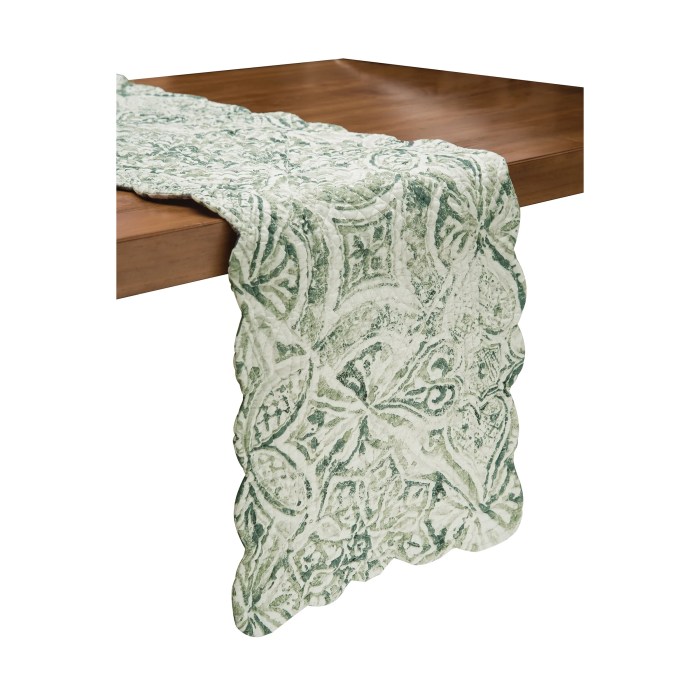
Washable table runners offer a versatile and practical way to elevate dining aesthetics. Their easy maintenance allows for experimentation with different designs and patterns, creating a dynamic and adaptable ambiance for various occasions. From casual gatherings to formal dinners, the right design can transform a simple meal into a memorable experience.Design plays a critical role in enhancing the overall appeal of a dining setting.
A thoughtfully chosen table runner can complement the existing décor, adding visual interest and warmth to the space. Its color, pattern, and material contribute significantly to the overall atmosphere, influencing the perception of the dining experience.
Design Elements for Different Occasions
The design of a washable table runner should align with the specific occasion and desired ambiance. Casual dinners benefit from designs that are relaxed and inviting, while formal gatherings require runners that exude elegance and sophistication. The choice of material, color palette, and pattern are all integral components of achieving the right aesthetic.
- Casual Dinners: Rustic designs, featuring natural textures and earthy tones, create a relaxed and inviting atmosphere. Cotton or linen runners with subtle patterns or woven textures enhance the casual feel.
- Formal Gatherings: Modern designs, often characterized by clean lines and neutral colors, are ideal for formal settings. Polyester or cotton blend runners with intricate embroidery or subtle geometric patterns can create a sophisticated ambiance.
Design Styles and Suitability for Dining Styles
The selection of a table runner design is crucial in aligning with the overall dining style. The table below illustrates how different designs complement various dining environments.
| Design Style | Occasion | Color Palette | Material | Dining Style |
|---|---|---|---|---|
| Rustic | Casual Dinner | Earthy Tones (e.g., beige, brown, terracotta) | Cotton/Linen | Farmhouse, Country, or Relaxed |
| Modern | Formal Dinner | Neutral Colors (e.g., ivory, gray, black) | Polyester/Cotton Blend | Contemporary, Minimalist, or Elegant |
| Bohemian | Casual Gatherings, Parties | Vibrant Colors (e.g., blues, greens, oranges) | Cotton, Linen, or Woven Materials | Creative, Relaxed, or Adventurous |
| Floral | Romantic Dinners, Celebrations | Pastel Colors (e.g., pink, lavender, light blue) | Cotton, Linen, or Silk | Romantic, Festive, or Celebration-focused |
A well-chosen washable table runner can instantly elevate the ambiance of a dining experience. The design should harmonize with the overall décor and the specific occasion, enhancing the visual appeal and creating a positive dining atmosphere. This allows the focus to remain on the food and the company, not on the table itself.
Styles and Trends
Washable table runners, once a staple in domestic settings, are experiencing a resurgence, driven by evolving consumer preferences and a growing emphasis on sustainability. This resurgence is fueled by the desire for versatile and practical home décor, particularly in the face of busy lifestyles. Modern consumers are increasingly seeking durable, easily maintainable items that integrate seamlessly into their active routines.The design of washable table runners has evolved significantly over the years, reflecting broader shifts in interior design aesthetics and cultural values.
From traditional floral patterns to contemporary geometric designs, the evolution mirrors the dynamic nature of home décor trends. This adaptability allows the table runner to serve as a versatile focal point, capable of adapting to diverse dining environments and personal styles.
Current Trends
Contemporary trends in washable table runners emphasize sustainable materials and unique patterns. Consumers are increasingly drawn to eco-friendly options, such as organic cotton or linen, reflecting a growing global awareness of environmental concerns. This is not just a fleeting trend; it reflects a deeper shift in consumer values, with a preference for products that align with ethical and sustainable production practices.
Moreover, unique patterns, including abstract designs, bold color combinations, and intricate embroidery, are gaining traction. These innovative patterns offer a more personalized touch and create a distinct atmosphere for each dining experience.
Historical Context
Table runners have a rich history, their evolution mirroring the development of interior design and societal norms. Early table runners were often made from heavy materials like linen or damask, reflecting the opulence of the era. Over time, materials and designs have become more varied and accessible. The rise of mass production in the 20th century led to a wider range of materials and patterns becoming available to the general public, broadening the appeal and accessibility of table runners.
Style Categorization
| Style | Pattern | Material | Color |
|---|---|---|---|
| Floral | Floral Prints | Cotton | Vibrant Colors |
| Geometric | Geometric Patterns | Polyester | Neutral Tones |
| Modern Minimalist | Simple Stripes or Solids | Polyester or Linen | Monochromatic or Earthy Tones |
| Rustic | Woven or Embroidered Patterns | Cotton or Linen | Earthy Tones (e.g., browns, creams, greens) |
| Coastal | Nautical Prints or Seascapes | Cotton or Linen | Blues, Greens, Whites |
The table above provides a concise overview of different washable table runner styles, categorized by pattern and material. These categories illustrate the diverse range of choices available, enabling consumers to select table runners that complement their unique dining styles. The choices reflect the variety of aesthetic preferences and functional requirements of contemporary consumers. The combination of materials and patterns provides a wealth of possibilities for creating a personalized and inviting dining experience.
Sizing and Dimensions
Proper sizing is critical when selecting washable table runners. A runner that’s too small will look cramped and insignificant, while one that’s excessively large can overwhelm the table and dining area. The right dimensions enhance the visual appeal and create a harmonious aesthetic. A well-chosen size balances the table’s scale and the surrounding decor.Selecting the appropriate size depends heavily on the table’s dimensions.
A runner should complement the table’s length and width, creating a visually pleasing proportion. This ensures the runner is not too short or too long, maintaining a sense of balance and harmony. Matching the runner’s size to the table’s dimensions is essential to maximizing its visual impact.
Table Length Considerations
Choosing the correct length for a washable table runner is crucial to achieve visual balance and proportionality. A runner that is too short will look unfinished and will not adequately cover the table’s surface, while a runner that is too long can feel excessive and detract from the overall aesthetic.
- Short Runners: For smaller tables, a shorter runner can create a compact and intimate feel. This is suitable for round or small rectangular tables. The runner should extend approximately 6-12 inches beyond the edge of the table on each side, creating a subtle but intentional border effect.
- Standard Runners: For standard-sized rectangular tables, a runner that extends 12-18 inches beyond the table edge on each side is typically ideal. This provides a balanced and proportionate aesthetic.
- Long Runners: For large, expansive tables, a longer runner, potentially extending 18-24 inches or more beyond the table’s edge, can enhance the overall visual impact and draw the eye along the length of the table. This is beneficial for formal settings or larger dining areas.
Width Considerations
The width of the runner is equally significant in establishing a cohesive visual narrative. A runner that is too narrow will not adequately cover the table, while a wide runner might overpower the table’s dimensions.
- Narrow Runners: Narrow runners, especially those designed with intricate patterns, can create a unique visual effect for smaller tables. They draw attention to the design while maintaining a sense of elegance.
- Standard Runners: A standard runner width, typically equal to or slightly wider than the table’s width, offers a balanced and proportionate aesthetic. It ensures the runner is neither too cramped nor overly large for the table.
- Wide Runners: Wide runners are often chosen for expansive tables or to create a dramatic visual effect. They add a significant statement piece, and are appropriate for formal settings or tables with an extended length.
Impact on Dining Area Aesthetics
The chosen runner’s size directly influences the overall dining area aesthetic. A runner that is properly sized enhances the visual appeal and harmony of the entire space. The runner size should complement the existing decor, table style, and overall design theme.
- Visual Balance: A well-proportioned runner creates a sense of visual balance and harmony within the dining area. It visually ties together the table and the surrounding elements.
- Space Perception: The size of the runner can impact the perceived size of the dining area. A longer runner can visually elongate the space, while a shorter one can create a more intimate atmosphere.
- Decorative Emphasis: Runners can act as a focal point, drawing attention to the table’s design and the dining area. The right size allows the runner to enhance the space rather than overwhelm it.
Washable Table Runner vs. Other Table Linens
Washable table runners offer a compelling alternative to traditional table linens, balancing practicality with style. Their ease of care and versatile designs make them a popular choice for modern households, but understanding their strengths and weaknesses compared to other options is crucial for making informed decisions.A key advantage of washable table runners is their ability to seamlessly integrate into various dining scenarios.
Their lightweight and flexible nature allows for adaptability in both formal and casual settings, unlike heavier, more structured tablecloths that might feel out of place in a casual dining environment.
Comparison with Placemats
Placemats are a cost-effective and functional choice, particularly for protecting tables and providing a base for individual plates. However, their limited coverage and lack of a continuous design element restrict their overall aesthetic impact. Washable table runners offer a wider surface area for a more cohesive visual presentation, transforming the dining space from individual elements into a more unified whole.
The ability of washable table runners to cover a larger expanse of the table provides a greater sense of occasion and presentation than the more focused approach of placemats.
Comparison with Tablecloths
Tablecloths, while offering complete table coverage, can be cumbersome to manage and clean. Their bulk and weight can be impractical for everyday use, especially in busy households. Washable table runners, on the other hand, are often lightweight and compact, making them far more convenient for everyday use. Their ease of cleaning and relatively low cost also make them a strong contender in the modern home.
Key Differences Summary
| Feature | Washable Table Runners | Tablecloths | Placemats |
|---|---|---|---|
| Cost | Moderate | Variable | Low |
| Cleaning | Easy | Moderate | Easy |
| Versatility | High | High | Low |
| Coverage | Partial | Full | Partial |
| Aesthetic Impact | Strong | Strong | Weak |
Washable table runners offer a practical and aesthetically pleasing solution for enhancing dining experiences, balancing practicality with visual appeal.
Practical Applications and Uses
Washable table runners transcend their functional role as mere table coverings. Their versatility extends across a spectrum of dining occasions, from casual weeknight meals to elegant celebratory events. Their inherent practicality, coupled with their ability to adapt to diverse aesthetic preferences, makes them a valuable addition to any household.The adaptability of washable table runners lies in their ability to seamlessly transition from one dining experience to another.
Their durable construction and easy care features enable them to withstand the rigors of everyday use without compromising their aesthetic appeal. This adaptability makes them ideal for both frequent use and special occasions.
Everyday Dining Enhancement
Washable table runners are an invaluable asset for everyday dining. Their stain-resistant properties and quick-drying nature allow for effortless maintenance, minimizing the time and effort required for cleaning. This ease of care contributes to a more relaxed and enjoyable dining experience. Furthermore, a simple, patterned table runner can add a touch of personality to a kitchen, transforming a mundane meal into a more aesthetically pleasing event.
Special Occasion Versatility
For special occasions, washable table runners offer a sophisticated backdrop for elegant gatherings. Their ability to accommodate a wide array of styles, from classic to contemporary, allows them to complement various décor themes. From holiday celebrations to birthdays, a carefully chosen table runner can elevate the ambiance and create a memorable dining experience.
Versatile Applications for Parties
The versatility of washable table runners extends to parties of all types. Their quick-drying and stain-resistant properties are particularly advantageous for gatherings where spills and messes are inevitable. Whether it’s a casual backyard barbecue or a formal dinner party, a washable table runner provides a practical and stylish solution. A vibrant runner can set the festive tone for a casual gathering, while a more subdued design can create a sophisticated atmosphere for a more formal occasion.
A Comprehensive List of Uses
- Everyday Meals: Washable table runners add a touch of style and ease to everyday dining, allowing for quick cleanup and maintaining a visually appealing table setting.
- Special Occasions: A well-chosen table runner can elevate the ambiance for celebrations such as birthdays, anniversaries, and holidays, setting the tone for a memorable occasion.
- Parties: Their stain resistance and quick-drying nature make them ideal for parties, ensuring a practical and stylish dining experience, regardless of the anticipated spills or messes.
- Buffets and Catered Events: Washable table runners are a practical solution for buffet-style dining and catered events, offering a seamless and visually appealing surface for serving food and drinks.
- Formal Dinners: Certain styles of washable table runners can enhance the formality of a dinner party, creating a sophisticated and elegant atmosphere. Consider the texture and color of the runner when choosing a style appropriate for the occasion.
Budget and Price Considerations
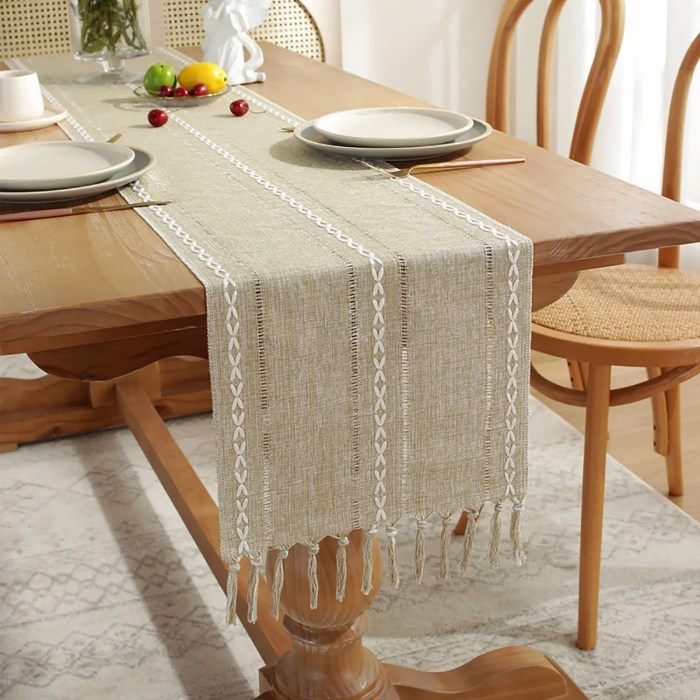
Washable table runners offer a compelling balance of style and practicality, but understanding their pricing structure is crucial for informed purchasing decisions. The cost of these versatile linens varies significantly, influenced by factors ranging from material quality to design complexity. Comparing their price to other table linens provides a clearer picture of their value proposition.The price of washable table runners typically falls within a broad spectrum.
Budget-friendly options, often made from durable yet less luxurious materials like polyester or cotton blends, can be found for under $20. Mid-range runners, crafted from more substantial materials like cotton or linen blends, with intricate embroidery or unique patterns, typically range from $20 to $50. Premium runners, made from high-quality materials like silk or linen, with intricate embellishments or custom designs, can command prices exceeding $50.
Price Range of Washable Table Runners
The cost of washable table runners varies significantly depending on the material, design, and construction. Budget-friendly options are available for under $20, offering a practical solution for everyday use. Mid-range options, typically crafted from slightly more luxurious materials and featuring subtle embellishments, range from $20 to $50. Premium runners, often featuring high-quality materials and elaborate designs, can easily exceed $50.
Factors Influencing the Price of Washable Table Runners
Several key factors contribute to the price of washable table runners. Material quality plays a significant role; high-end runners often use luxurious materials like linen or silk, which command higher prices due to their superior durability and aesthetic appeal. Design complexity and embellishments, such as intricate embroidery or unique patterns, also contribute to the overall cost. The manufacturing process, including labor costs and production techniques, can also influence the price.
Finally, the brand reputation and perceived value of the table runner can impact its pricing.
- Material Quality: Higher-quality materials like linen or silk are inherently more expensive than cotton blends or polyester. The durability and aesthetic appeal of these materials justify the price premium. For instance, a linen runner, known for its natural texture and longevity, will typically cost more than a polyester runner.
- Design Complexity: Runners with intricate embroidery, unique patterns, or custom designs require more time and labor to produce, thus driving up the cost. A simple solid-colored runner will likely cost less than a runner adorned with elaborate floral embroidery.
- Manufacturing Process: Production techniques and labor costs vary significantly. Runners made with sophisticated manufacturing processes or using skilled labor will generally be priced higher.
- Brand Reputation: Established brands often command higher prices due to their reputation for quality and design. A recognized brand name may add to the perceived value and price of the runner.
Comparison to Other Table Linens
Washable table runners often provide a cost-effective alternative to other table linens like placemats or tablecloths. While a high-end tablecloth might cost significantly more, washable runners offer a versatile option for a more affordable, yet elegant, dining experience. The price difference often depends on the quality and complexity of the table runner and the other linens being compared.
Comparison to other Table Linens
| Table Linens | Typical Price Range | Advantages | Disadvantages |
|---|---|---|---|
| Washable Table Runners | $10-$100+ | Versatile, affordable, easy to clean | May not offer the same coverage as a tablecloth |
| Tablecloths | $15-$100+ | Complete table coverage, wide variety of styles | Can be more expensive, less versatile, more challenging to clean |
| Placemats | $5-$30+ | Protects table, adds visual appeal | Less comprehensive coverage, requires additional linens |
Final Wrap-Up
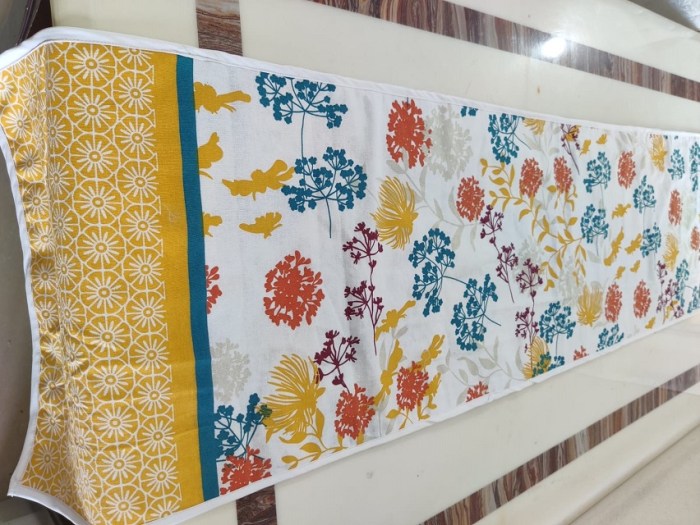
Ultimately, washable table runners offer a compelling blend of style, practicality, and affordability. This guide has provided a comprehensive overview of their various aspects, empowering readers to confidently select the perfect runner for their table setting, whether for everyday meals or special occasions. From understanding materials and care to appreciating design trends, this guide ensures informed choices for enhancing any dining experience.
